



 新闻
新闻
主打产品
- 天然大理石系列
- 花岗岩系列
- 奢石系列
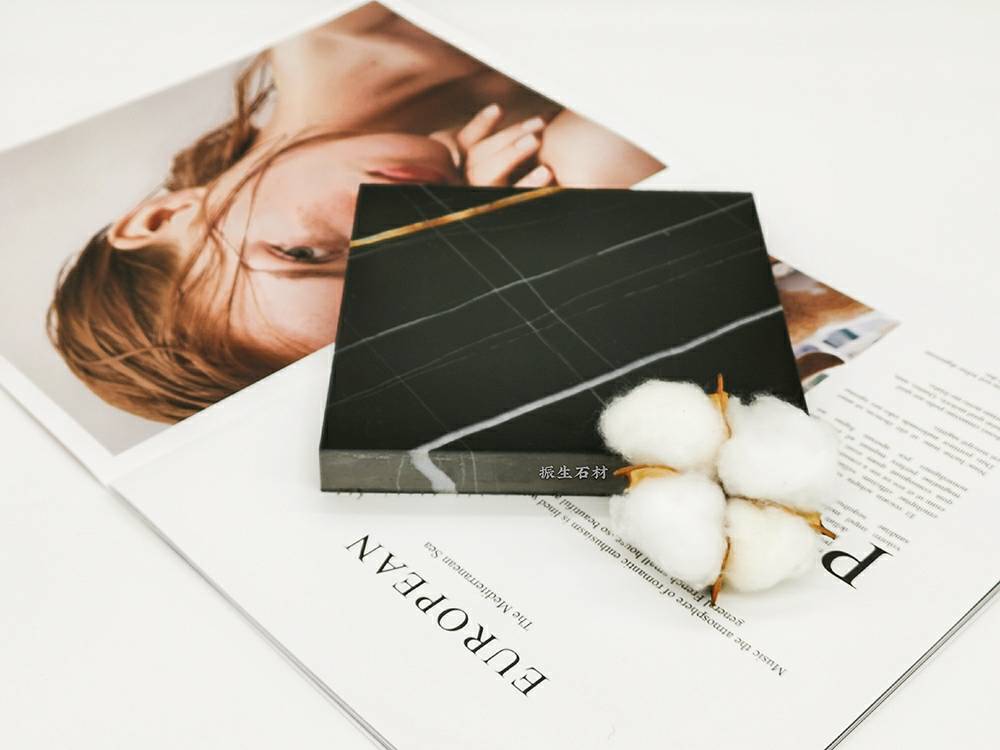
天然大理石系列
🌏开云平台app官网-开云-(中国)有限责任公司-开云app网站平台在您身边的石材商城,近百类石材品种,为您提供一站式服务。专业的海外采购团队为您购买的每一颗振生牌石材原料严格筛选,引进世界先进的意大利全自动生产设备为您购买的每一颗振生牌石材保驾护航。买石材请认准振生牌
-
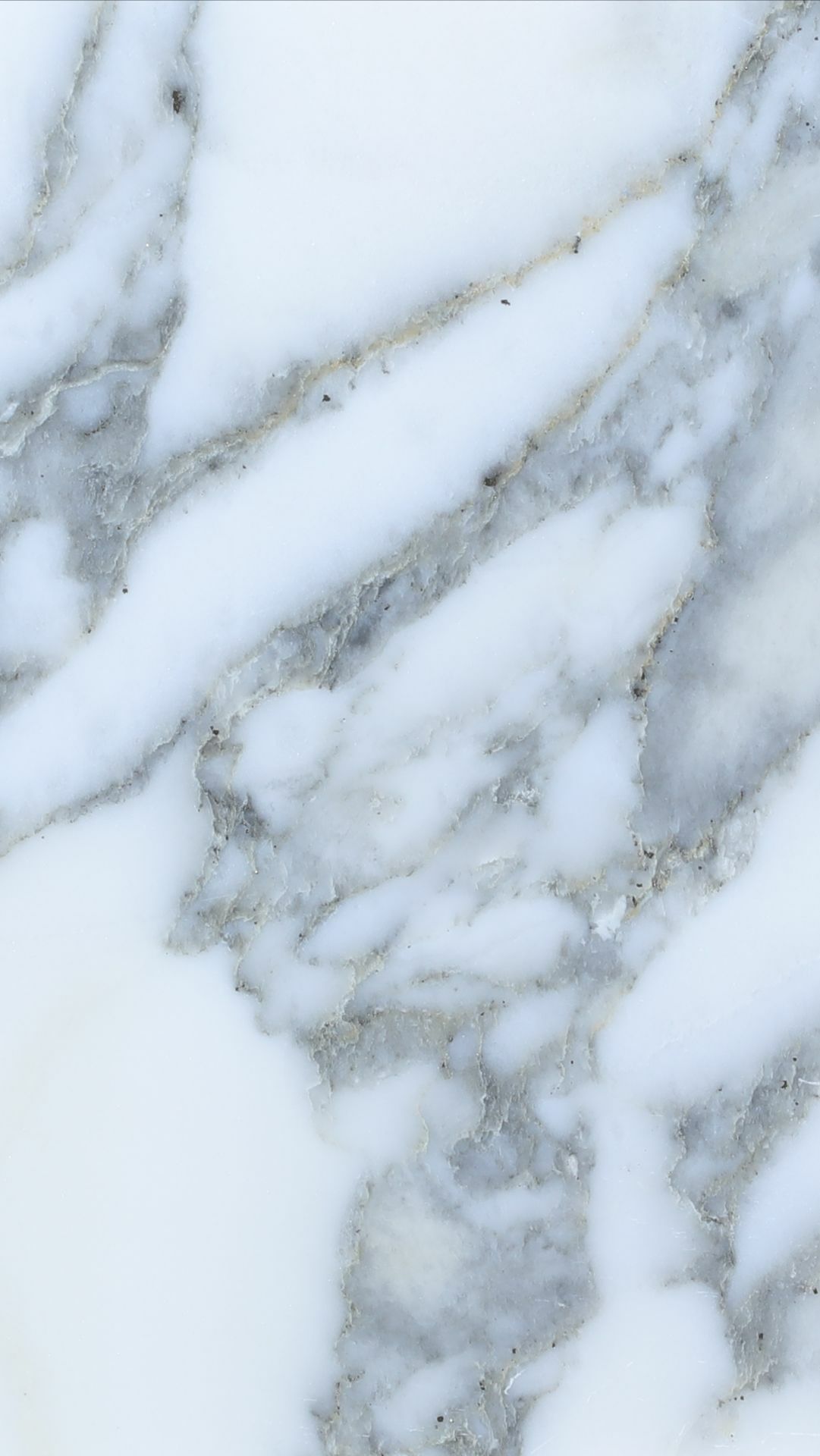 白色系列
白色系列 -
 灰色系列
灰色系列 -
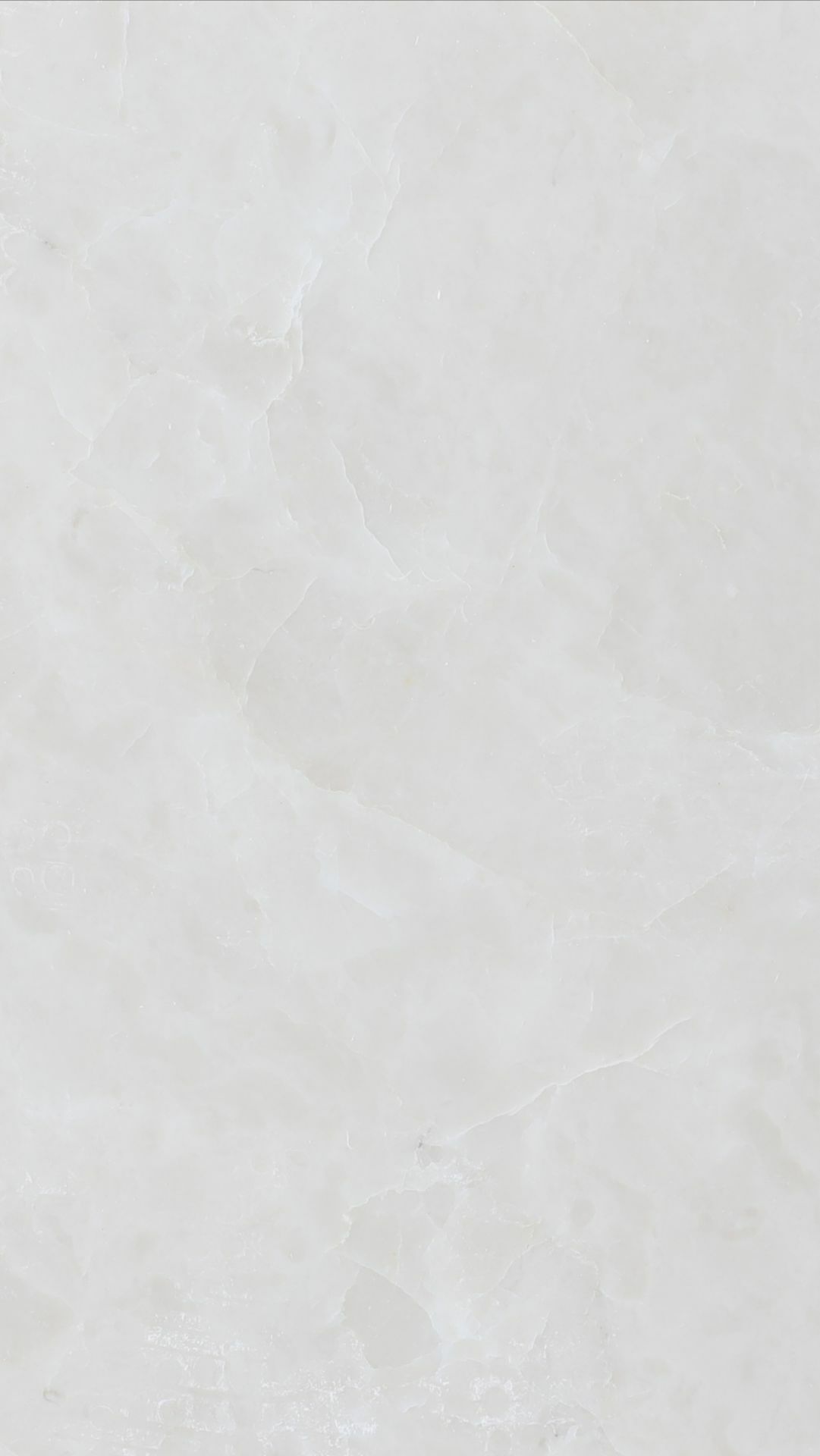 米黄系列
米黄系列
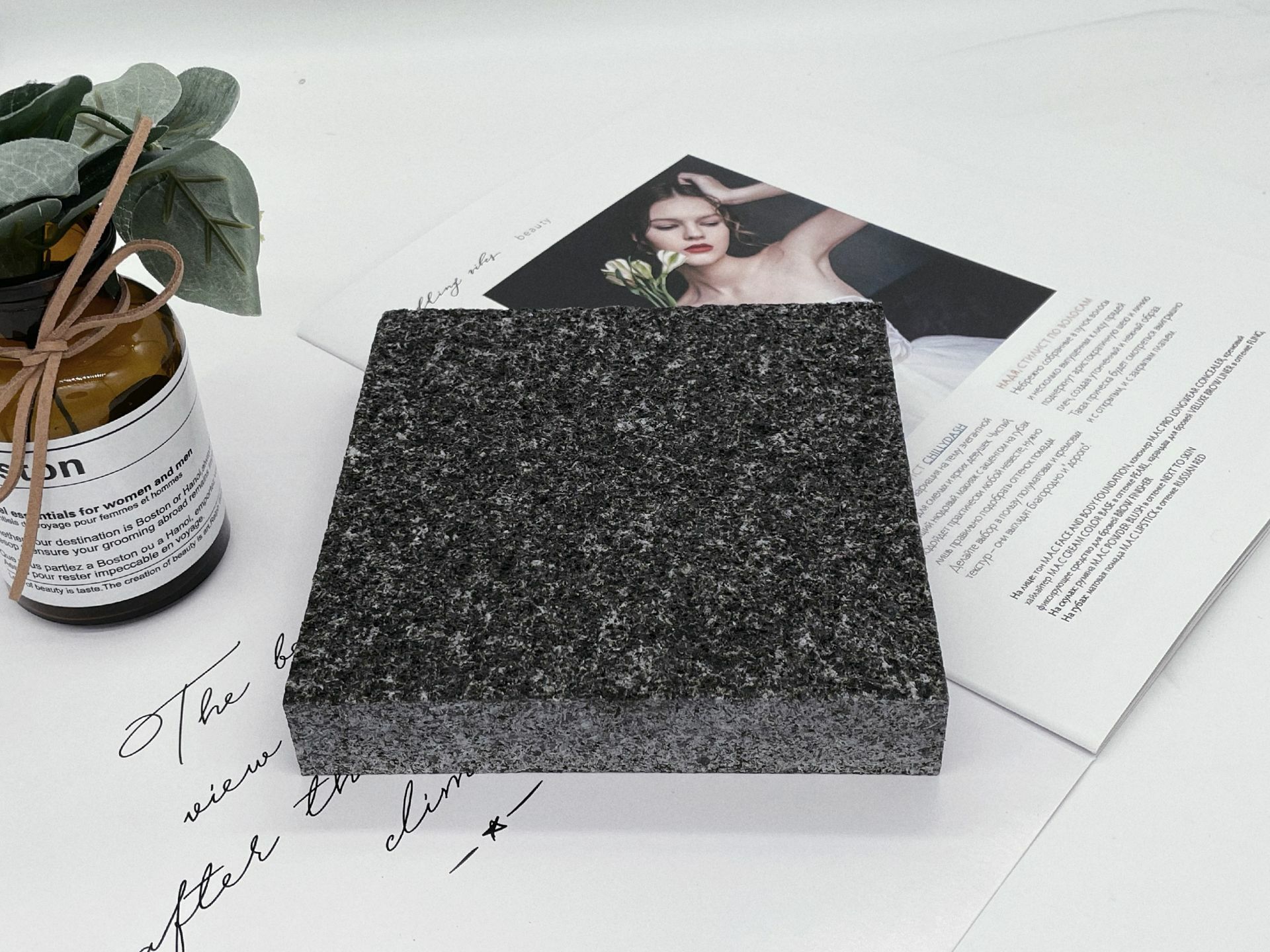
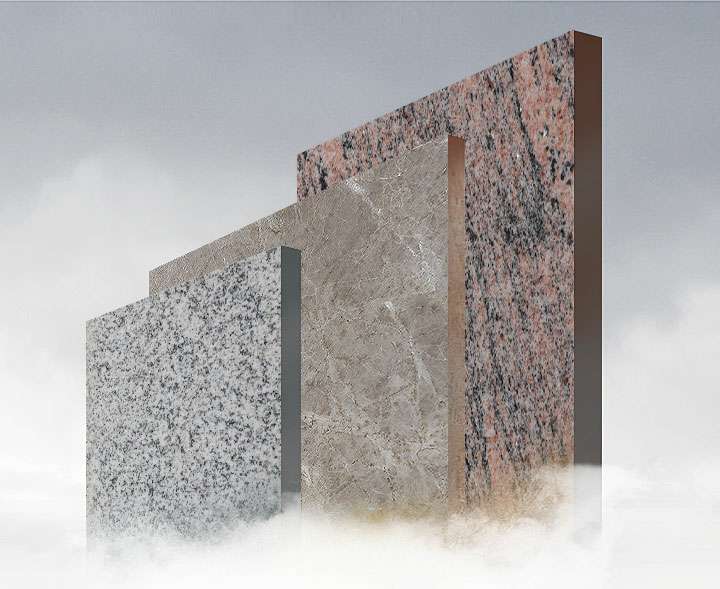
花岗岩系列
🌏开云平台app官网-开云-(中国)有限责任公司-开云app网站平台在您身边的石材商城,近百类石材品种,为您提供一站式服务。专业的海外采购团队为您购买的每一颗振生牌石材原料严格筛选,引进世界先进的意大利全自动生产设备为您购买的每一颗振生牌石材保驾护航。买石材请认准振生牌
-
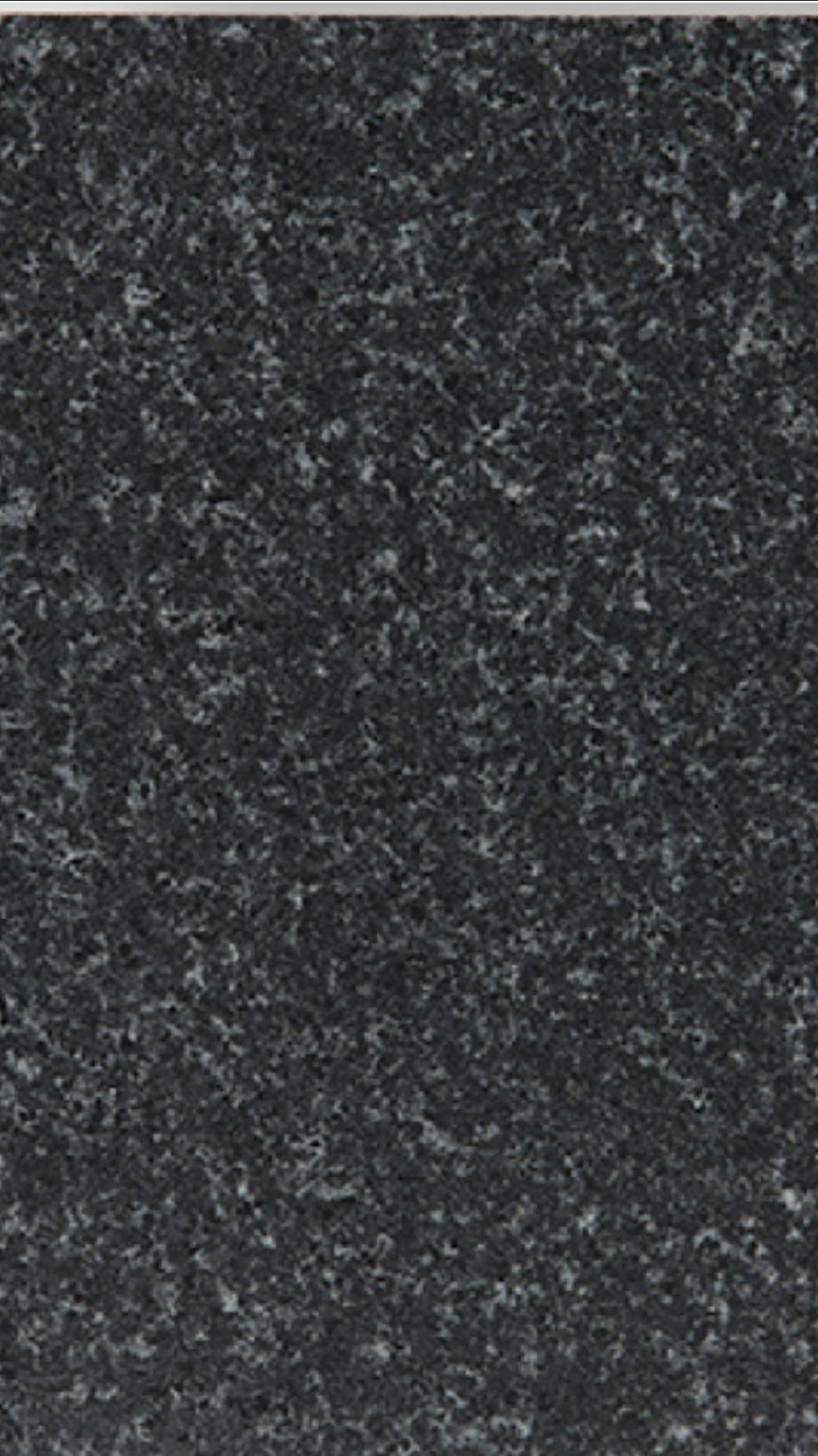 星云灰
星云灰 -
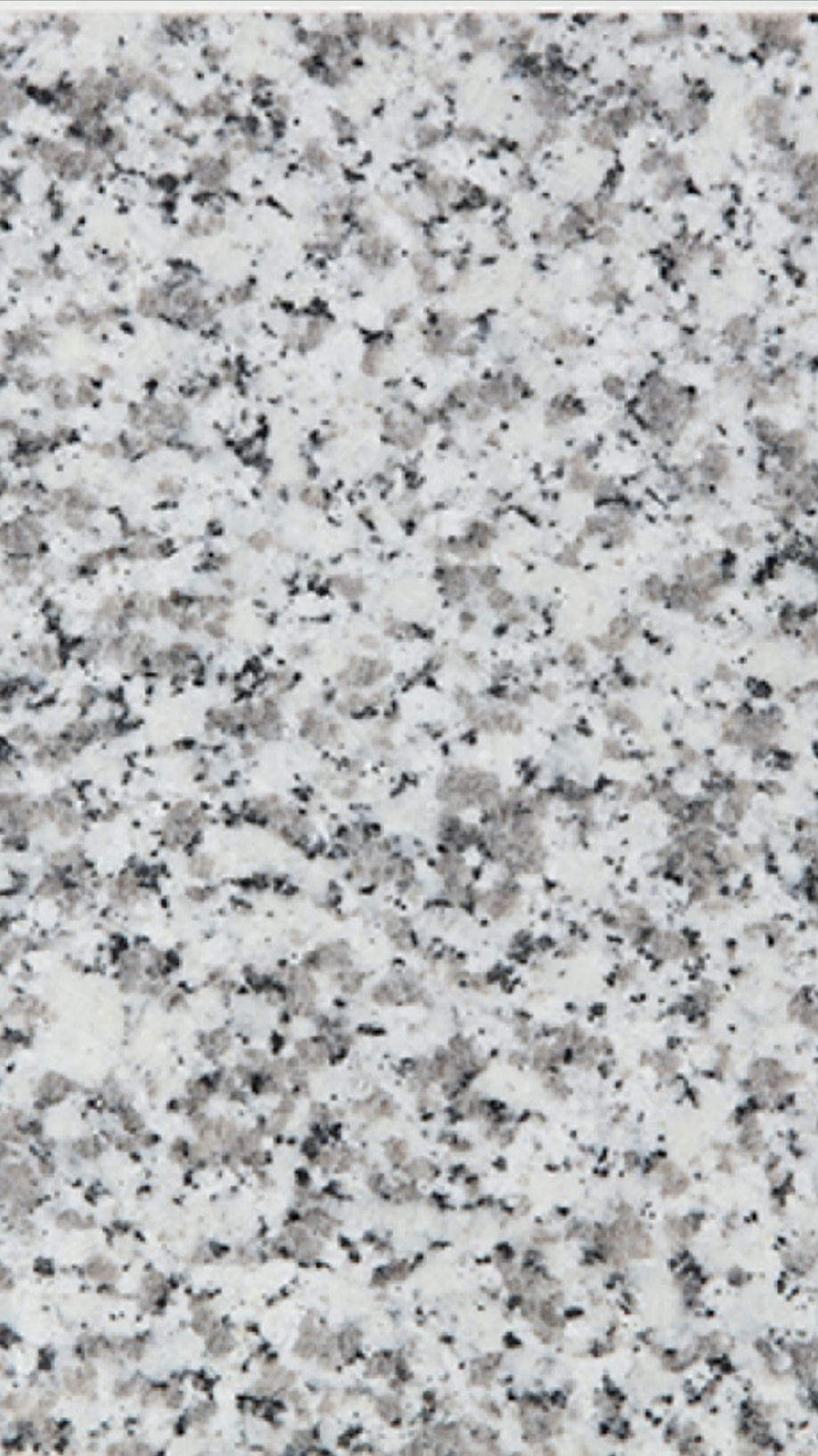 象牙白
象牙白 -
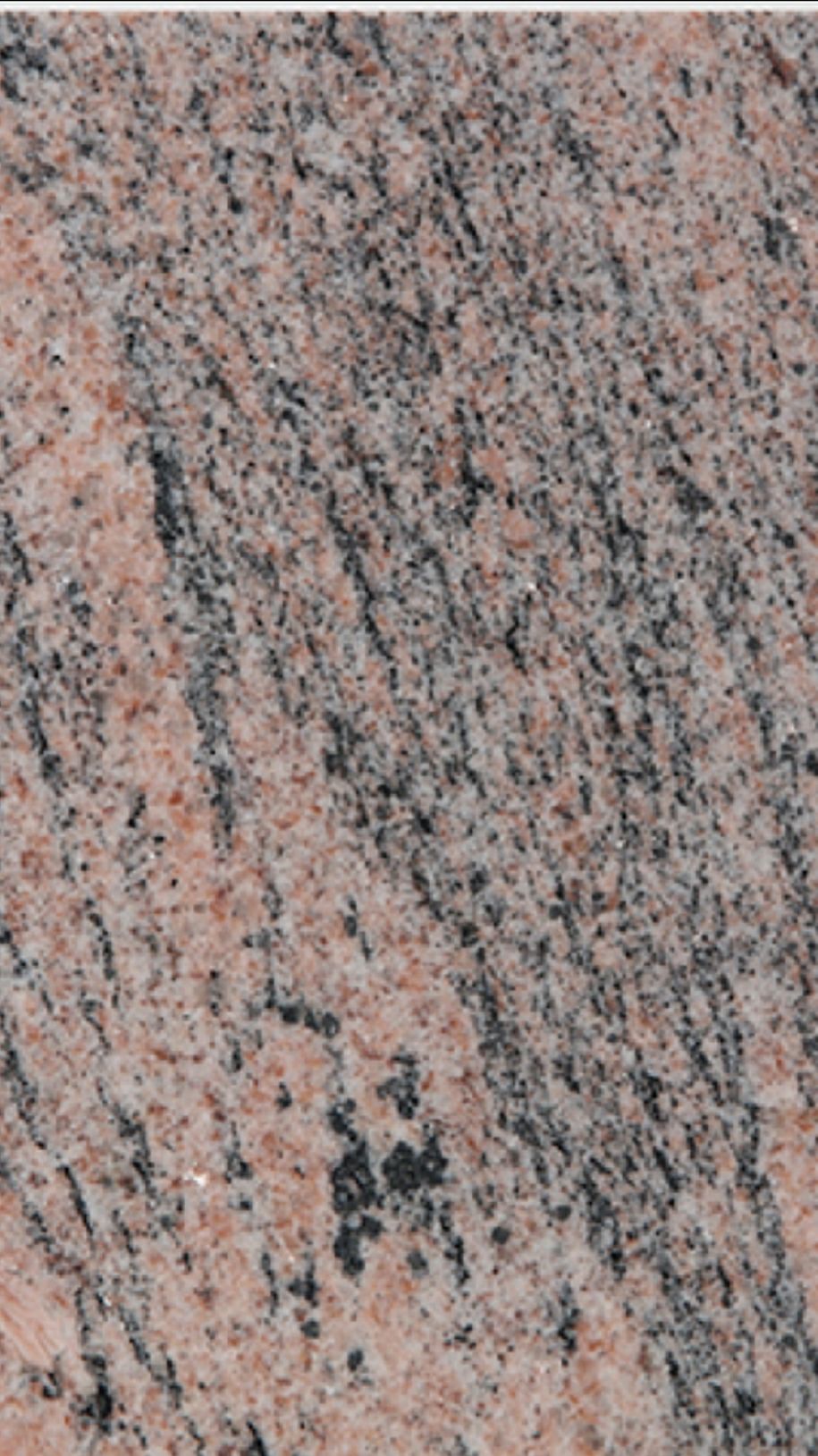 加州金麻
加州金麻
奢石系列
🌏开云平台app官网-开云-(中国)有限责任公司-开云app网站平台在您身边的石材商城,近百类石材品种,为您提供一站式服务。专业的海外采购团队为您购买的每一颗振生牌石材原料严格筛选,引进世界先进的意大利全自动生产设备为您购买的每一颗振生牌石材保驾护航。买石材请认准振生牌-
1
-
 公司简介
公司简介 -
 历史与传承
历史与传承 -
 慈善事业
慈善事业
公司简介
🌏开云平台app官网-开云-(中国)有限责任公司-开云app网站平台成立于1993年,注册资金1.14亿元,占地面积20万平方米,年产值120万平方米,拥有天然大理石板材100余种,是一家集矿山开采、设计、生产、销售于一体的大型石材生产企业。公司坐落于天津市武清区自行车王国产业园内,紧邻京沪高速汊沽港出口处,水陆交通...
历史与传承
市武清区自行车王国产业园内,紧邻京沪高速汊沽港出口处,水陆交通便利慈善事业

1993 初创期
1993年成立北京🌏开云平台app官网-开云-(中国)有限责任公司-开云app网站平台销售中心
2005
2005年承建🌏开云平台app官网-开云-(中国)有限责任公司-开云app网站平台
2008
2008年通过 ISO9000认证,被评为石材行业华北地区五强企业
2008年参与人民大会堂改造工程,央视大楼室内工程,
国贸3期,盘古大观
2009 提升期
2009年成为石材行业龙头企业
2010 飞跃期
2010年成为石材行业的纳税大户
2011 优化期
2011年公司投资1亿元在天津购买工业用地300 亩,并承建14万平方米厂房
2013 强化期
2013年成立广东分公司
2014 强化期
2014年引进意大利全套大理石生产设备,从大理石切割刀大理石抛光均处于行业领先水平
2016 新面貌
2016年通过环评认证,成为天津大理石行业首批环保达标企业
2018 强化期
购入世界顶尖的花岗岩绳锯和全自动花岗岩进口生产设备
2020 强化期
获得国家认证高新技术企业资质认证
2021 展望未来
回顾过去,展望未来
merit综合实力
- 资源优势
- 销售广场
- 荒科库存
- 进口设备
Resource AdvantageResource Advantage

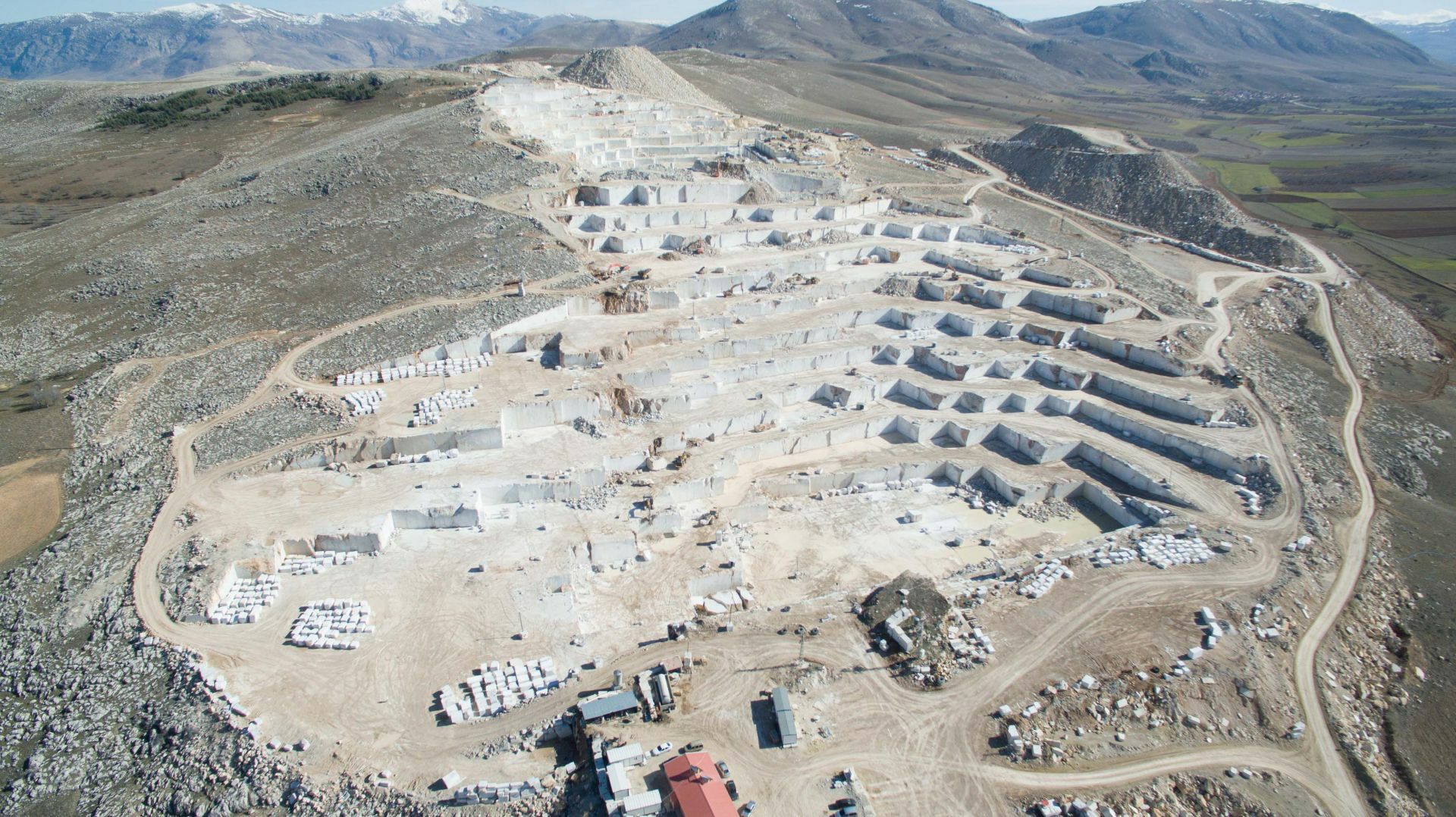
公司拥有全球优质大理石矿山资源,来自全世界21个不同国家地区的石材矿山,产品种类更是多达百余种。专业的海外采购团队为您在🌏开云平台app官网-开云-(中国)有限责任公司-开云app网站平台购买的每一颗石材原料严格筛选。苛求细节的完美,严守卓越的品质,从材料挑选到工艺制作,均以品质为核心,以细节成就非凡格调,处处皆至臻完美。
Resource AdvantagePlaza
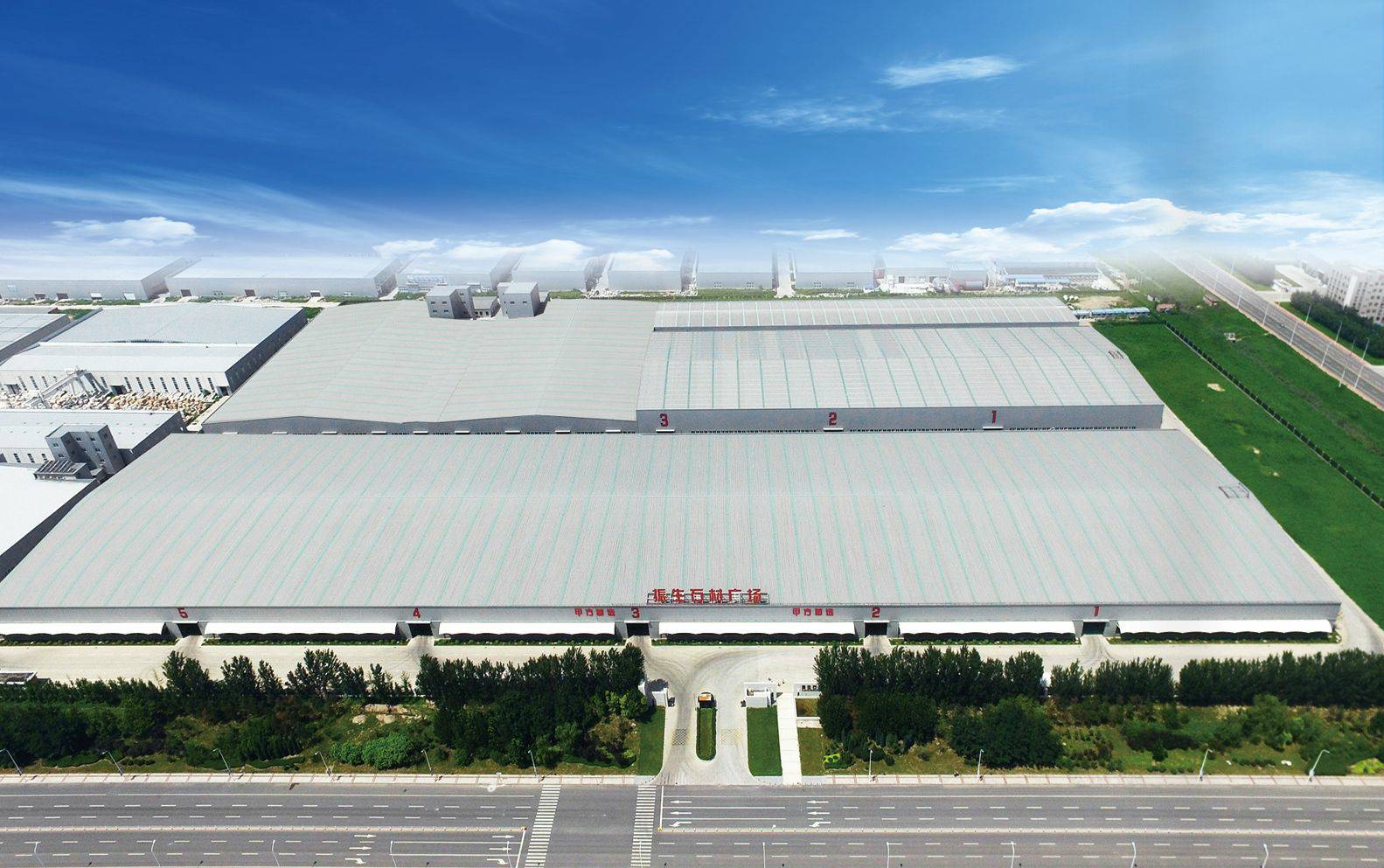
🌏开云平台app官网-开云-(中国)有限责任公司-开云app网站平台大板库卖场占地5万平米,可存放100万平米板材,多达近百款石材品种供您挑选。🌏开云平台app官网-开云-(中国)有限责任公司-开云app网站平台在您身边的石材商城,是您石材采购的不二之选。🌏开云平台app官网-开云-(中国)有限责任公司-开云app网站平台按照国际化的生产标准,对于产品出品的要求极度苛刻,严格执行的相关国际生产标准。力求从原料·规格·工艺·品质等多方面达到国际标准。为您打造一种高品质的生活新体验。
Resource AdvantageInventory
🌏开云平台app官网-开云-(中国)有限责任公司-开云app网站平台采用世界先进的环保理念打造超大型室内荒料场。该荒料场实际面积为25000 平米,可存放高达 15 万立方米石材荒料,储备天然大理石荒料资源百余种,时刻满足您的大量需求.
.jpg)
Resource AdvantageItalian Equipment
卓越品质,成就振生品牌
公司拥有全球顶级生产设备,设备自动化操作,节省大量人力和时间,产品经久耐用,有品质保障。8 台进口大理石排锯, 6 台进口大理石抛光机, 3 条进口大理石烘干线,以及全国第 1 台进口花岗岩绳锯。高精密的进口大理石排锯加工稳定,锯切薄板效果更有优势,平整,无弧度,无锯痕。板材在磨机抛光时不会被抛盘压裂,产品经久耐用。我们始终不断的在追求更高品质的大理石生产加工技术,这种对于高品质追求的执着信念在我们心中始终不变。您在振生购买的不仅仅是一份产品,更是一份放心和省心.
.jpg)
-
 1993年🌏开云平台app官网-开云-(中国)有限责任公司-开云app网站平台成立于
 -
 1.2亿公司注册资金
 -
 20万占地面积20万平方米
 -
 14万平方米厂房建筑面积14万平方米
 -
 120万平米年产天然大理石板材